
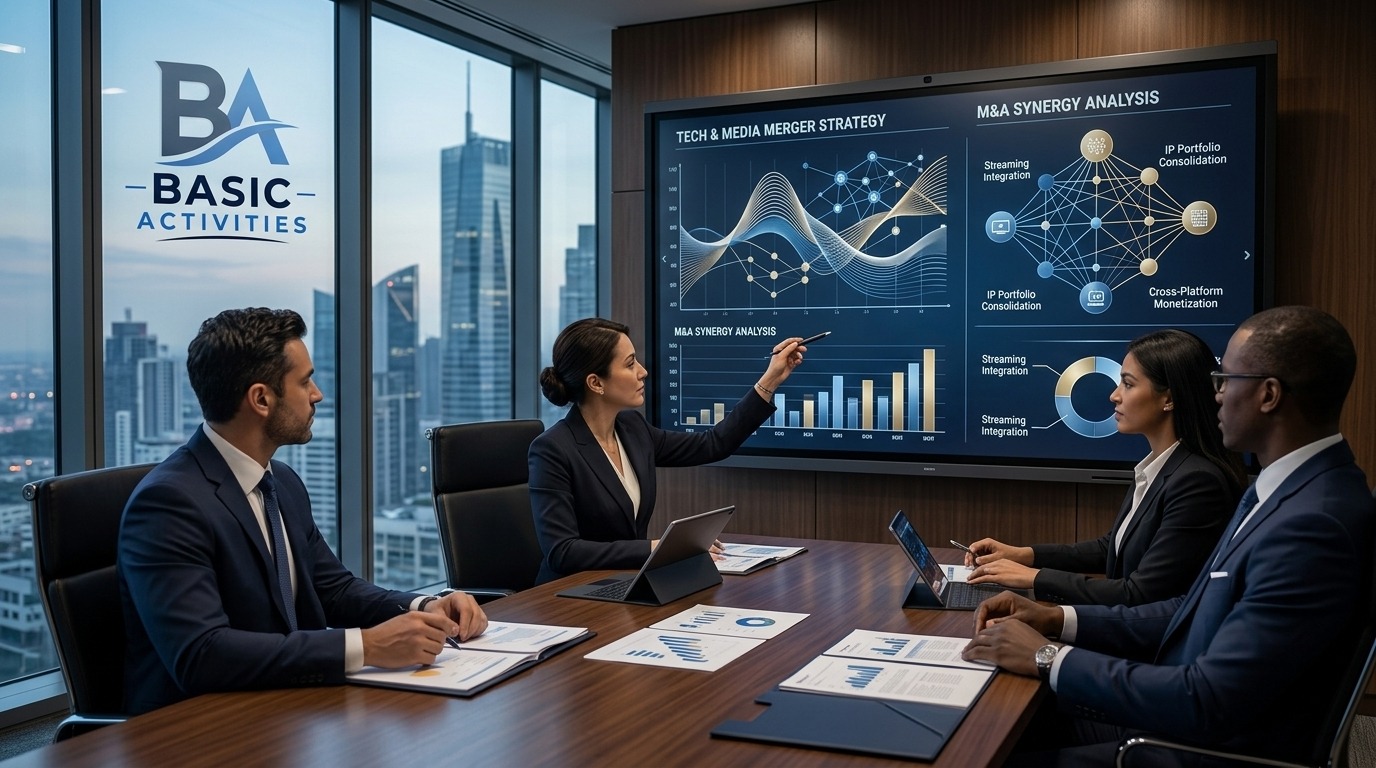
Executive leadership at the pinnacle of global technology, telecommunications, and media demands a rare combination of long-term vision, operational discipline, and agile capital allocation. When analysts examine institutional transformation, Brian Roberts and Amy Hood stand out as benchmark leaders whose distinct strategic models have shaped multi-billion-dollar corporate ecosystems.
While Brian Roberts has directed Comcast through decades of aggressive media consolidation, broadband infrastructure deployment, and entertainment expansion, Amy Hood has served as the financial architect behind Microsoft’s historic pivot into cloud computing, subscription ecosystems, and enterprise artificial intelligence. Though operating from distinct corporate seats—one as a long-tenured Chief Executive Officer and Chairman, the other as an influential Executive Vice President and Chief Financial Officer—examining their strategic methodologies reveals critical insights into modern corporate governance, mergers and acquisitions (M&A), and stakeholder value creation.
1. Executive Profiles: Two Architects of Modern Industry
To understand their corporate impact, one must first look at the foundations of their leadership paths and organizational mandates.
Brian Roberts: Building an Entertainment and Connectivity Empire
Brian Roberts joined Comcast full-time in the late 1970s, eventually becoming President in 1990 and CEO in 2002. Under his stewardship, Comcast evolved from a regional cable provider into a global media and connectivity powerhouse encompassing Xfinity, NBCUniversal, and Sky. Roberts’ leadership style is defined by decisive scale acquisition, infrastructural foresight, and navigating heavily regulated communications landscapes.
Amy Hood: Powering Microsoft’s Cloud and AI Transformation
Amy Hood joined Microsoft in 2002 after working in investment banking at Goldman Sachs. In 2013, she made history by becoming Microsoft’s first female Chief Financial Officer. Partnering closely with CEO Satya Nadella, Hood orchestrated the capital redeployment that transitioned Microsoft from legacy boxed software to Microsoft Azure, Microsoft 365, and multi-platform enterprise services, positioning the firm as a trillion-dollar cloud titan.
2. Divergent Roles, Shared Impact: CEO Vision vs. CFO Precision
The dynamic between a Chief Executive Officer and a Chief Financial Officer represents the engine of any enterprise. When evaluating corporate leadership archetypes, comparing an iconic CEO like Roberts with a premier CFO like Hood highlights how top-level strategy intersects with balance sheet management.
While Roberts must balance broad public-facing corporate diplomacy, labor relations, network investments, and entertainment talent, Hood focuses on unit economics, gross margins in infrastructure-as-a-service (IaaS), long-term R&D funding, and transparent investor communications.
3. Mergers, Acquisitions, and Capital Allocation
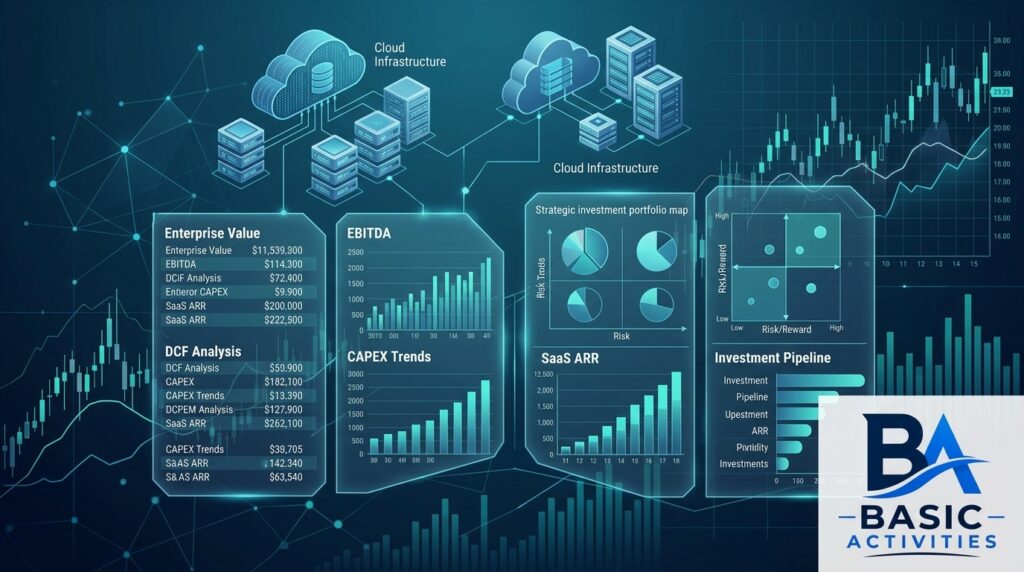
Both leaders are renowned for high-stakes dealmaking, yet their playbooks reflect differing strategic priorities.
The Comcast Playbook: Scale Through Media and Distribution Consolidation
Brian Roberts has consistently utilized M&A to secure control over both the distribution pipe and the intellectual property flowing through it:
- AT&T Broadband Acquisition (2002): Transformed Comcast into the largest cable operator in the United States.
- NBCUniversal Purchase (2011–2013): United network distribution with a legendary film studio, broadcast network, and theme park portfolio.
- Sky Group Acquisition (2018): Expanded Comcast’s international footprint across Europe.
The Microsoft Playbook: Synergistic Platform Expansion
Amy Hood’s M&A strategy centers on compounding network effects and securing enterprise-grade platforms:
- LinkedIn ($26.2B, 2016): Integrated professional social networking and B2B data directly with Microsoft’s cloud graph.
- GitHub ($7.5B, 2018): Solidified developer ecosystem loyalty.
- Nuance Communications ($19.7B, 2021): Accelerated vertical AI adoption in healthcare.
- Activision Blizzard ($68.7B, 2023): Expanded gaming subscription depth across PC, console, and cloud.
4. Operational Transformation: Managing Industry Disruption
Both executives have had to steer their organizations through systemic industry shifts.
Moving Beyond Legacy Cable
For Roberts, the rise of direct-to-consumer streaming and cord-cutting posed a threat to legacy pay-TV bundles. Comcast responded by reprioritizing high-margin broadband services, enterprise connectivity, and hybrid streaming via Peacock, while simultaneously investing in destination theme parks like Universal Epic Universe.
The Pivot to Cloud and Subscription Models
For Hood, the strategic hurdle was transitioning Microsoft from transactional software licensing (upfront Windows and Office licenses) to recurring subscription revenue (Office 365 / Microsoft 365). Hood’s disciplined cash-flow modeling gave Microsoft the confidence to absorb temporary margin compression during the transition, paving the way for sustained long-term earnings expansion.
5. Technology and Infrastructure Investments: Fiber vs. Cloud & AI
A comparative look at capital expenditure reveals how each executive deploys capital into physical and digital infrastructure.
Roberts prioritizes residential broadband speed, low-latency network upgrades (DOCSIS 4.0), and experiential venues. Hood, conversely, balances massive multi-billion-dollar quarterly capex allocations for global data center construction, GPU clustering, and strategic partnerships with artificial intelligence pioneers.
6. Corporate Culture and Executive Tenacity

Behind every balance sheet is an institutional culture. Roberts and Hood have both fostered resilience within organizations employing hundreds of thousands of people.
Family Heritage Meets Corporate Governance
Roberts represents the continuation of a family legacy built on generational patience. This ownership mindset allows Comcast to weather short-term macroeconomic volatility while focusing on multi-decade structural advantages.
Accountability and Collaborative Rigor
Hood is widely recognized for instituting financial transparency across Microsoft’s engineering and product divisions. By aligning departmental metrics with return on invested capital (ROIC) and customer consumption rather than vanity volume, she helped cultivate an engineering culture focused on real commercial impact.
7. Key Strategic Lessons for Business Leaders
What can modern entrepreneurs, CFOs, and business managers learn from studying these leaders?
- Protect Free Cash Flow: Whether selling broadband connectivity or cloud compute, maintaining strong cash generation provides the ultimate defense during market downturns.
- Execute M&A with Clear Integration Mandates: Acquisitions succeed when there is a concrete plan to scale distribution (Roberts) or integrate developer/data networks (Hood).
- Commit Decisively to Structural Shifts: Half-hearted transitions fail. Pivot capital aggressively toward emerging technological standards before legacy streams dry up.
- Communicate Clearly with Wall Street: Transparent capital allocation builds investor trust, providing management with the flexibility needed to pursue complex multi-year strategies.
8. The Future Outlook: Media Convergence Meets Generative AI
Looking ahead, the paths of media giants and hyper-scale cloud providers are converging faster than ever. As content production, interactive entertainment, and broadband distribution integrate with real-time AI processing and personalized computing, leaders across both sectors must adapt continuously.
While Roberts works to maximize content monetization, advertising tech efficiency, and network virtualization, Hood remains at the vanguard of commercializing enterprise artificial intelligence. Their trajectories offer a masterclass in how visionary execution and financial discipline drive enduring corporate value.
Conclusion
The enduring success of global enterprises depends on leaders who can balance bold acquisitions with rigorous fiscal execution. Studying Brian Roberts and Amy Hood provides valuable perspectives on modern corporate governance: Roberts highlights the power of infrastructural scale, long-term ownership vision, and media synergy, while Hood exemplifies modern analytical leadership, cloud monetization, and disciplined capital allocation. For leaders across every industry, their playbooks offer timeless principles for building resilient, future-ready organizations.
Frequently Asked Questions (FAQs)
Who are Brian Roberts and Amy Hood?
Brian Roberts is the Chairman and Chief Executive Officer of Comcast Corporation, known for expanding Comcast into a global media and connectivity leader. Amy Hood is the Executive Vice President and Chief Financial Officer of Microsoft Corporation, recognized as the financial architect of Microsoft’s cloud, subscription, and AI transformation.
Why are Brian Roberts and Amy Hood frequently studied in business strategy?
Business schools and financial analysts study both leaders as quintessential examples of executive effectiveness—Roberts for transformative M&A and network infrastructure scale, and Hood for modern CFO leadership, recurring-revenue transitions, and disciplined capital allocation.
What are the main differences between their corporate roles?
As CEO, Brian Roberts focuses on overall corporate vision, major acquisitions, regulatory affairs, and media strategy. As CFO, Amy Hood directs financial planning, capital allocation, investor relations, and operating margins across cloud, productivity, and enterprise software segments.
What can modern finance executives learn from Amy Hood’s tenure?
Finance professionals can learn the value of shifting from backward-looking reporting to forward-looking strategic enablement, enforcing consumption-based business metrics, and supporting bold infrastructural pivots like cloud and AI computing.
How has Brian Roberts approached industry disruption?
Roberts adapted Comcast to changing consumer habits by shifting focus from traditional video bundles to high-speed fiber-optic/broadband networks, launching direct-to-consumer digital platforms, and investing in experiential physical entertainment.