The fragrance vessel has officially transcended its role as a mere utilitarian container. In prestige beauty, the bottle operates as the primary ambassador of a brand’s narrative, a tactical bridge between visual emotion and olfactive memory. Over the past decade, high-end consumers viewed perfume vessels as elegant vanity ornaments. However, entering 2026, the industry is witnessing a profound architectural shift. Luxury houses, niche perfumers, and artisanal ateliers are fundamentally re-evaluating the silhouette, weight, lifecycle, and material integrity of their flacons.
The conversation around perfume bottle design luxury trends 2026 reveals a landscape where uncompromising craftsmanship meets boundary-pushing engineering. Discerning collectors no longer settle for generic stock glass wrapped in decorative metallics; they demand thoughtful industrial design, bespoke materiality, and deliberate tactile sensations. From circular refill mechanisms that rival fine horology to monolithic mineral finishes, the year 2026 redefines prestige perfumery from the exterior inward.
1. Sculptural Minimalism and Architectural Flacons
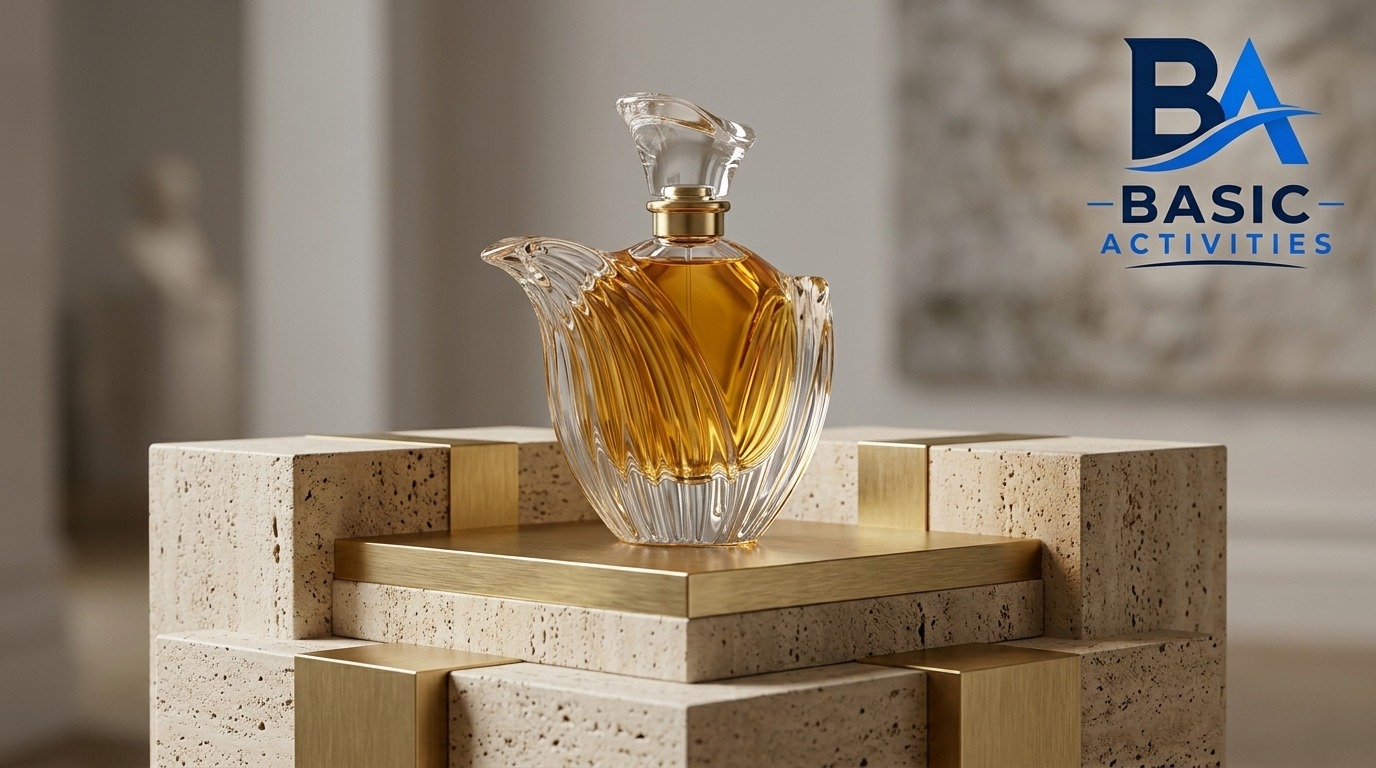
One of the most defining perfume bottle design luxury trends 2026 is the decisive departure from ornament-heavy packaging in favor of pure, architectural geometry. Contemporary design studios draw direct inspiration from brutalist architecture, mid-century modernism, and classical columns. Vessels are no longer conceived as decorative dressing-table bottles, but as standalone miniature sculptures capable of commanding an art gallery shelf.
Designers emphasize monolithic foundations, utilizing sharp planar facets, cantilevered cap structures, and asymmetric silhouettes that challenge traditional symmetry. These bottles play dynamically with ambient interior light. Instead of obscuring the composition with opaque lacquers or heavy paper labeling, brands allow thick crystal walls and precision-beveled edges to refract light across the liquid inside. This architectural approach delivers a quiet, self-assured confidence that speaks directly to collectors seeking timeless aesthetic permanence.
2. Circular Luxury: The Rise of Horological Refill Engineering
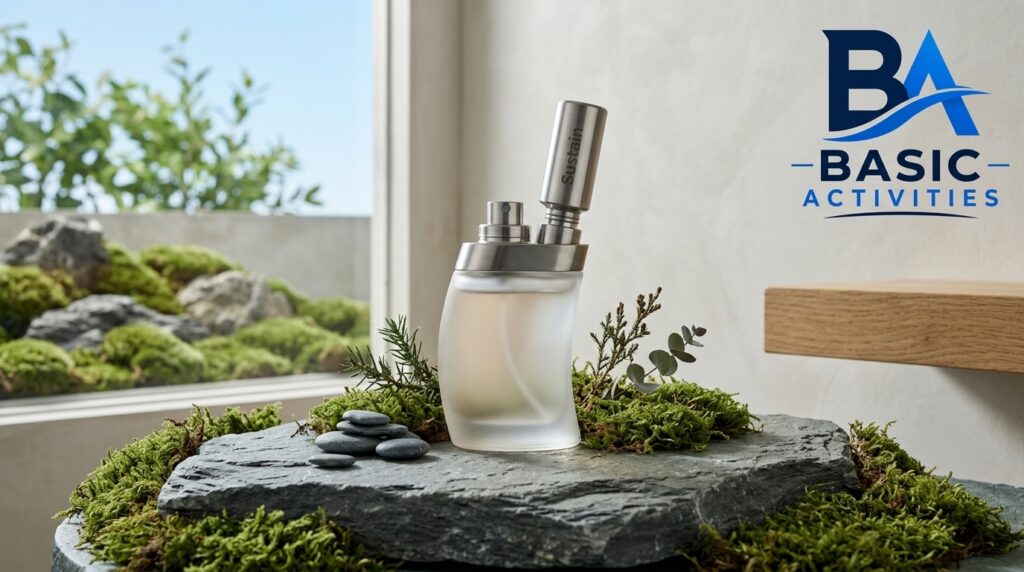
The tension between ecological responsibility and ultra-luxury aesthetics has finally reached an elegant resolution. In previous seasons, sustainable packaging often compromised the sensory weight and grandeur associated with high-end perfumery. In 2026, refillability is not an environmental afterthought—it is the central luxury experience.
Instead of flimsy screw threads or plastic snap-ins, luxury brands are adopting precision refill systems inspired by Swiss watchmaking. Machined brass bayonets, smooth magnetic dockings, and hermetically sealed valve cartridges allow owners to replenish their signature flacons with a tactile, satisfying mechanical interaction. The outer vessel is manufactured as an heirloom asset intended to last decades, while the internal reservoir can be seamlessly replaced without a single drop lost to evaporation.
3. Tactile Raw Materials: Stone, Basalt, Wood, and Ceramic
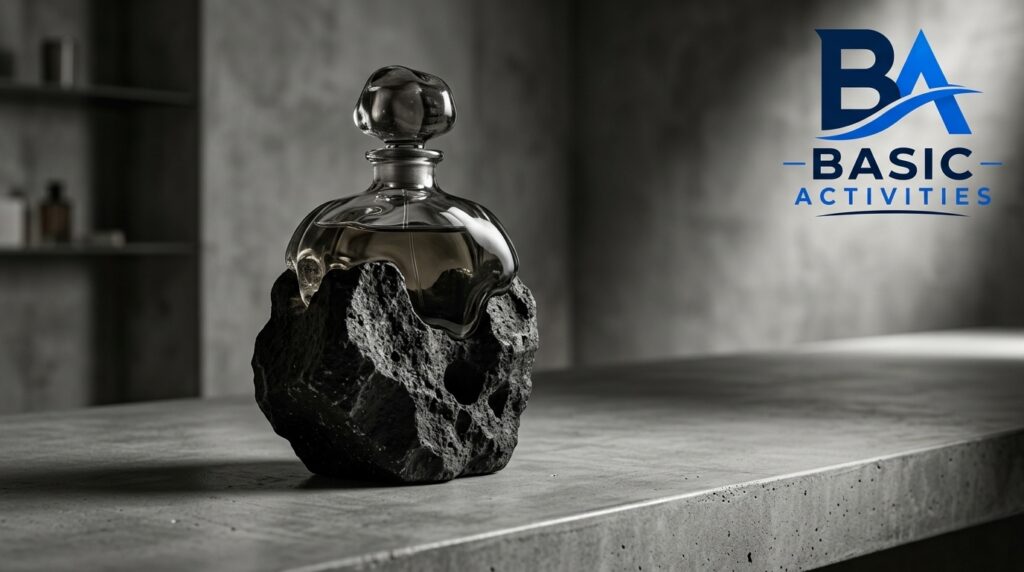
While ultra-clear flint glass remains a staple of luxury packaging, the contemporary consumer demands rich multi-sensory stimulation through touch. The dominant perfume bottle design luxury trends 2026 place extraordinary emphasis on unpolished, natural textures that create immediate sensory contrast against cool crystal surfaces.
We see unprecedented adoption of tactile natural substances integrated directly into the structural body of the bottle:
- Porous Volcanic Basalt and Granite: Hand-carved or molded mineral collars and plinths that ground the bottle with organic heft.
- Architectural Travertine and Honed Marble: Unique vein patterns ensure that no two bottles in a production run are identical, offering inherent individuality.
- Warm Unglazed Terracotta and Matte Ceramic: Earthy textures that retain natural ambient temperatures, warming slowly in the palm during application.
- FSC-Certified End-Grain Hardwoods: Sculpted, unvarnished wooden caps treated with plant-based waxes rather than artificial polyurethane coatings.
By blending the smooth chill of heavyweight glass with the dry, organic tooth of raw mineral stone, flacons engage the fingertips long before the atomization mist touches the skin.
4. Optical Depths: Heavy-Glass Push-Ups and Internal Sculptures
The physical weight of a fragrance flacon has historically signaled luxury, but 2026 elevates this principle through advanced glass engineering. Known in the industry as the “paraison” and the bottom “push-up,” glassmakers are manipulating internal molds to create mesmerizing optical illusions deep inside the bottle base.
Rather than a uniform, flat bottom, modern flacons feature thick, hand-polished crystal bottoms that occupy up to half the bottle’s overall height. Within this dense crystal base, artisans introduce inverted internal cones, floating bubbles, suspended ripples, and asymmetric caverns. When the colored fragrance rests atop these internal topographies, the liquid appears suspended in mid-air. This technique transforms every tilt of the wrist into a kinetic study of color refraction and fluid dynamics.
5. Non-Binary and Gender-Fluid Ergonomics
The fragrance industry’s categorical division between traditional masculine rectangles and feminine curved teardrops has become increasingly obsolete. In line with the perfume bottle design luxury trends 2026, form follows ergonomic pleasure and conceptual clarity rather than outdated gender tropes.
Current flacon forms prioritize universal palm ergonomics. Designers craft organic pebble silhouettes, monolithic cylinders, and softened obelisks that settle effortlessly into hands of all sizes. The visual language favors neutral, timeless colors—such as smoky quartz, slate, pale amber, olive, and frosted matte crystal—paired with matte-brushed ruthenium or aged champagne metal fittings. The result is an inclusive aesthetic that celebrates personal expression without prescribed societal codes.
6. Smart Flacons and Subtle NFC Technology Integration
High luxury has long maintained a healthy skepticism toward digital gimmicks; flashing screens and clumsy QR codes have no place on an elite vanity. However, in 2026, technology is being incorporated with near-invisible subtlety via micro-NFC tags embedded deep within the cap liners, cork seals, or base indentations.
When tapped discreetly with a smartphone, these passive chips connect collectors to an exclusive, secure digital sanctuary. Without compromising the physical purity of the design, the digital interface grants access to:
- Batch Authenticity and Provenance Verification: Blockchain-verified harvest records of rare botanicals such as Grasse rose or Mysore sandalwood.
- Direct Concierge Refill Requests: Immediate notification to the maison for customized home delivery of refill pods.
- Private Olfactory Notes: Master perfumer audio commentaries describing the maceration process and accord transitions.
This convergence of artisanal glass and invisible digital capability elevates the consumer’s ongoing relationship with the brand without disrupting the timeless physical artifact.
7. Artisanal Hand-Finishing and Bespoke Customization
Mass luxury often risks consumer fatigue when uniformity replaces true rarity. In reaction, leading fragrance houses are investing heavily in limited-edition, artisanal finishes that celebrate deliberate human handiwork.
Semi-bespoke offerings now feature cold-chiseled glass facets executed by master gem cutters, hand-applied gold leaf veining running through cast stone caps, and custom metal monograms engraved directly onto solid brass atomizer collars. Consumers no longer desire identical factory replicas; they seek slight, intentional irregularities that demonstrate human touch and craft lineage. By treating the bottle exterior as a personalized canvas, brands cultivate an emotional attachment that dramatically extends product loyalty.
8. Atomizer Choreography: The Sensory Micro-Mist
A critical, often overlooked dimension of packaging design is the functional mechanics of fragrance dispersion. In 2026, the sensory choreography of spraying has been elevated to an art form. The modern actuator is engineered to deliver a continuous, ultra-fine micro-mist that feels like an ambient cloud rather than a wet, localized jet.
Prestige brands carefully tune the spring tension and valve chambers inside the actuator to produce a completely silent, extended spray duration of up to 1.8 seconds per depression. This deliberate mechanical calibration prevents liquid droplet pooling on delicate fabrics and enhances the initial evaporation curve of volatile top notes. The cap itself is designed with counterweighted interior ball bearings and magnetic soft-close dampeners, producing a satisfying, muted acoustic “thud” upon closure that mirrors the door of a bespoke luxury vehicle.
Conclusion: The Flacon as a Permanent Cultural Artifact
As the industry moves forward, the evolution captured across the perfume bottle design luxury trends 2026 demonstrates that true luxury is rooted in enduring value, tactile authenticity, and thoughtful engineering. The days of disposable, ostentatious packaging have yielded to an era that honors architectural discipline, circular design, and emotional resonance.
For niche creators and historic fragrance houses alike, investing in innovative flacon architecture is no longer optional—it is the foundational visual medium through which olfactive masterworks are understood and remembered. A meticulously crafted bottle endures long after the final drop of fragrance has evaporated, solidifying its place not just as cosmetics packaging, but as a treasured collector’s artifact.
Frequently Asked Questions (FAQs)
What are the main perfume bottle design luxury trends 2026?
The dominant trends for 2026 include architectural and sculptural minimalism, precision-engineered circular refill systems, contrasting tactile materials like stone and unglazed ceramic, ultra-thick glass push-ups with optical interior topographies, and nearly invisible smart technology integration.
How is sustainability influencing luxury perfume packaging?
Sustainability in 2026 is expressed through heirloom durability and horology-inspired refill engineering. Instead of using lightweight, disposable alternatives, brands produce substantial, long-lasting crystal and metal flacons equipped with precision-locking refill cartridges that eliminate waste without sacrificing prestige.
Why are brands incorporating raw stone and wood into perfume bottle caps?
Raw minerals, basalt stone, unpolished marble, and natural hard grains provide rich tactile variety. They introduce an organic, grounding contrast against polished crystal glass and ensure that every flacon possesses slight, natural variations in pattern and texture.
Does the mechanical spray mechanism affect the perception of luxury?
Yes. Modern prestige packaging focuses heavily on the sensory choreography of application. Actuators are engineered for silent, extended micro-mist diffusion, paired with weighted magnetic caps that produce an acoustic, dampened closure sound reminiscent of fine engineering.