
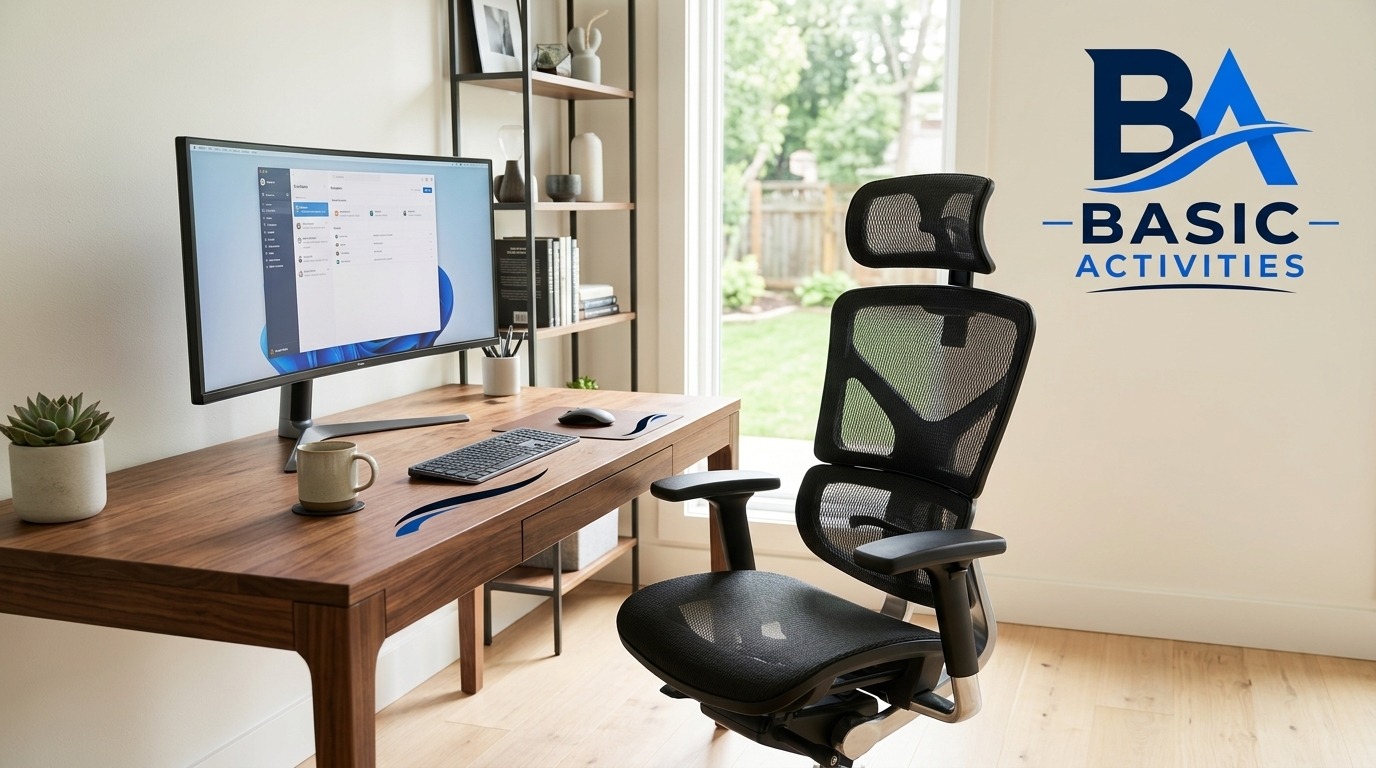
Desk workers spend an average of six to ten hours every day seated in front of digital displays. Over months and years, static posture takes a measurable toll on musculoskeletal health, resulting in chronic lumbar strain, cervical tension, and sluggish circulation. While traditional office task chairs provide basic height adjustments and static padding, the modern ergonomic movement prioritizes dynamic support—furniture that adapts to how bodies naturally shift throughout the day.
Among the standout contenders in modern performance seating is the xchair1, the foundational model in X-Chair’s acclaimed lineup (formally recognized as the X1 Flex Mesh task chair). Engineered to bridge the gap between high-end architectural seating and medical-grade orthopedic principles, this chair pairs a responsive suspension mesh with proprietary lumbar technology.
Whether you are designing a full-time remote workspace, outfitting a corporate floor, or seeking targeted relief from back discomfort, this guide examines the construction, real-world utility, adjustability, and long-term value of the xchair1.
1. What Sets the xchair1 Apart in Modern Office Seating?
The task chair market is crowded with options ranging from budget big-box models to multi-thousand-dollar designer icons. The xchair1 occupies a distinctive middle-to-premium tier by focusing directly on kinetic support rather than superficial aesthetics.
The Core Design Philosophy
Many chairs require users to manually adjust dials, knobs, and levers whenever they shift from an upright typing posture to a relaxed phone-call recline. The philosophy behind the xchair1 is active accommodation: the chair’s geometry uses mechanical pivots that react dynamically to the sitter’s center of gravity.
Target Users and Work Environments
The chair is scaled to accommodate a broad spectrum of body profiles. It serves knowledge workers, software developers, creative professionals, and remote teams who require continuous ergonomic stability without feeling trapped in rigid foam contours.
2. Patented Dynamic Variable Lumbar (DVL) Support Explained
Lower back discomfort remains the primary complaint among desk-bound professionals. Static lumbar cushions frequently compress over time or sit at the wrong vertebrae height, exacerbating pelvic tilt.
How DVL Reacts to Movement
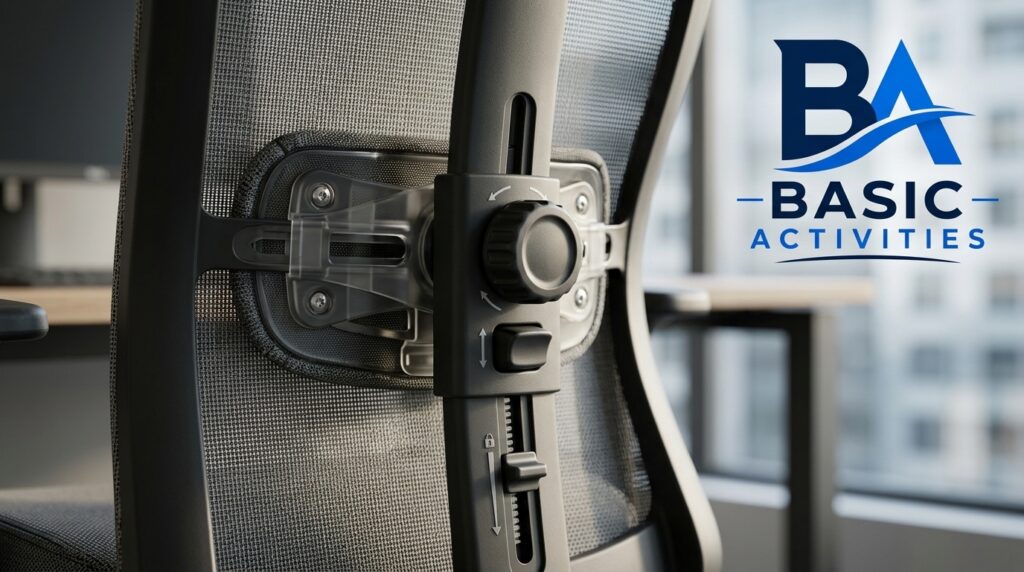
The signature highlight of the xchair1 is its patented Dynamic Variable Lumbar (DVL) system. Rather than being an integrated, immovable back curve, the lumbar panel is suspended on a spring-loaded pivot independent of the upper backrest.
When you lean forward to type, the DVL cushion pivots forward to maintain contact with the L1–L5 vertebrae. When you recline to review a document, the mechanism flexes backward, decreasing resistance to eliminate unnatural forward spinal curvature.
Impact on Lower Back Relief
By constantly matching the lordotic curve of the spine, the DVL minimizes micro-strains on the erector spinae muscles. Users accustomed to readjusting separate lumbar cushions will notice that the lower back remains supported across varying degrees of pelvic tilt.
3. Breathability and Material Engineering: Flex Mesh in Action
Cushion material directly influences thermal comfort, pressure distribution, and long-term posture stability. The xchair1 utilizes dedicated Flex Mesh across both the seat pan and the backrest.
Thermal Comfort During Long Workdays
Molded foam cushions trap body heat, leading to temperature buildup during extended sitting sessions. The elastomeric weave of the xchair1 allows continuous airflow around the hips, thighs, and back. This ventilation prevents moisture accumulation and keeps body temperature balanced during intense workdays or warm ambient room conditions.
Durability and Tensile Longevity
A common drawback of lesser mesh task chairs is hammock sag, where the material loses tension over 12 to 18 months, causing the sitter’s tailbone to strike the bottom plastic structure. The tensile weave on the xchair1 is woven from high-durability polymer filaments designed to preserve elasticity and resist deformation even under prolonged daily compression.
4. Comprehensive Ergonomic Adjustability Breakdown
A genuinely ergonomic chair must mold to the user, not force the user to mold to the chair. The xchair1 incorporates several mechanical adjustment points that allow fine-tuning for personal comfort.
4D Armrest Configuration
Shoulder fatigue often originates from improperly aligned armrests that force the trapezius muscles to hunch. The xchair1 features full 4D armrests, enabling movement along four axes:
- Height: Elevates to keep elbows bent at a neutral 90-degree angle.
- Width: Adjusts outward or inward relative to torso width.
- Depth: Slides forward or backward to avoid colliding with desk edges.
- Pivot: Rotates inward for mobile device use or typing, and outward for mouse operations.
Seat Depth & Height Calibration
The integrated seat slider is essential for maintaining optimal blood flow. By sliding the seat pan forward or backward, users can maintain a two-to-three finger clearance between the edge of the seat and the back of the knees, preventing femoral artery compression.
Recline Tension & Angle Locking
Utilizing a synchro-tilt mechanism, the backrest and seat recline at an ergonomic 2:1 ratio. This preserves open hip angles during recline without lifting the user’s feet off the floor. The tension control dial allows easy adjustment to match your body weight.
5. Assembly Experience and Build Architecture
Investing in a premium workstation chair involves considering out-of-the-box setup and structural integrity.
Unboxing and Tools
The xchair1 ships in dense protective packaging with pre-assembled sub-components. The package includes:
- Five-star star reinforced nylon base
- Heavy-duty class-4 gas lift cylinder
- Pre-assembled seat mechanism and sliding pan
- Flex mesh backrest with integrated DVL panel
- Left and right 4D armrest assemblies
- Hardware pack with an ergonomic Allen wrench and clear documentation
Assembly typically requires 15 to 25 minutes. Threaded screw holes feature pre-applied threadlocker to keep mechanical fasteners secure over time.
Frame Rigidity and Base Construction
The foundation utilizes a rugged multi-spoke base fitted with dual-bearing casters. The frame structure combines high-strength reinforced polymer composites with metal structural joints, yielding a sturdy foundation rated to support up to 275 pounds reliably.
6. Daily Ergonomic Performance: Hands-On Sitting Experience
Evaluating an ergonomic chair requires looking beyond feature lists to how it feels during an eight-hour workday.

Posture Correction vs. Initial Adaptation
When transitioning from an unsupportive executive leather seat to the xchair1, sitters often experience an adjustment period of three to five days. The firm feedback of the mesh and the persistent support of the DVL prompt the spine to sit in neutral vertical alignment. Once the body adapts, muscle tension through the upper shoulders and sacrum noticeably relaxes.
Endurance Over 8+ Hour Shifts
Throughout extended workdays, the waterfall front edge of the seat pan minimizes pressure points on the underside of the thighs. Simultaneously, the responsive backrest accommodates natural postural shifts, helping you stay alert, comfortable, and focused without fidgeting.
7. Comparing the xchair1 Against Premium Ergonomic Rivals
To evaluate its place in the market, it helps to compare the xchair1 with other established ergonomic chairs:
Comparison Overview
- Herman Miller Aeron: The benchmark in mesh seating. The Aeron offers exceptional build quality, but its rigid outer frame can feel restrictive to sitters with wider frames or those who like to shift positions. The xchair1 features a less intrusive perimeter rim and provides an integrated sliding seat depth, a feature absent on the Aeron.
- Steelcase Gesture / Leap: Legendary for plush back articulation using upholstered foam. However, for users working in warm rooms who prioritize airflow and active breathability, the all-mesh xchair1 offers superior heat dissipation.
- Secretlab / Racing Style Chairs: Gaming bucket seats frequently force shoulders inward and rely on loose, awkward elastic straps for lumbar pillows. The xchair1 provides significantly better orthopedic alignment and adjustability for desk-bound professionals.
8. Maintenance, Care, and Practical Longevity Tips
Keeping your chair in optimal working condition ensures it delivers consistent ergonomic support for years:
Keeping Mesh Clean and Lint-Free
- Dust Removal: Use a handheld vacuum with a soft brush attachment once a month to clear lint and dust particles from the mesh pores.
- Spot Cleaning: For accidental spills, blot immediately with a microfiber cloth dampened with lukewarm water and mild detergent. Avoid abrasive sponges or harsh chemicals that could damage the elastomeric filaments.
Mechanism Lubrication and Bolt Maintenance
- Fastener Check: Check and re-tighten the armrest and base mounting bolts after the first month of use, and once a year thereafter.
- Caster Maintenance: Check the wheels periodically to remove trapped hair and debris, ensuring smooth rolling across hard floors or low-pile office mats.
9. Is the xchair1 Worth the Investment for Your Desk Setup?
Choosing the right desk chair is an investment in your daily focus, health, and productivity.
Who Benefits Most:
- All-Day Desk Workers: Professionals spending 6+ hours daily in front of screens who need dependable lower back support.
- Warm-Climate Workers: Anyone who tends to run warm and benefits from full-body mesh breathability.
- Multi-User Workstations: Shared desks where quick adjustments to armrests, seat slider depth, and recline tension are essential.
Situations Where Alternatives Might Suit Better:
- Sitters Preferring Plush Cushioning: Users who prefer the soft, sinking feel of thick high-density memory foam may prefer a padded fabric model over suspension mesh.
- Strict Budget Setups: Those seeking a basic temporary chair under $200 can look to standard utilitarian task seating.
10. Frequently Asked Questions (FAQs)
What is the primary difference between the xchair1 and other models in the X-Chair series?
The xchair1 serves as the entry point to the performance line, featuring durable Flex Mesh and a reinforced polymer frame. Higher-tier models (like the X2, X3, and X4) introduce alternative upholstery options like K-Sport advanced weave, ATR fabric, or premium leather, alongside polished aluminum frames.
Does the xchair1 come with an optional headrest?
Yes. An adjustable height-and-angle headrest can be added to the xchair1. It mounts directly to the upper frame, offering dedicated cervical spine support during reclined reading or video meetings.
Can the chair be used on hardwood floors without damaging them?
The standard casters roll smoothly on low-pile commercial carpet and standard office surfaces. For pristine hardwood or laminate flooring, pairing the chair with an office mat or upgrading to soft polyurethane blade casters helps prevent micro-scratches.
How do I adjust the backrest height on the xchair1?
The backrest uses a multi-position ratchet system. Lift the back upward click by click until you find the height that aligns the DVL perfectly with your lower back. Lifting it past the highest position resets the mechanism, allowing it to slide back down to start over.
Conclusion
A high-performance ergonomic chair is an essential piece of equipment for everyday wellness and productivity. The xchair1 stands out by prioritizing functional kinetic support through its Dynamic Variable Lumbar system, full-spectrum 4D arm adjustability, and breathable Flex Mesh construction.
By eliminating the discomfort and posture fatigue common to unsupportive chairs, the xchair1 helps you maintain natural alignment throughout long workdays. If you need a durable, breathable, and responsive ergonomic chair for your workspace, the xchair1 provides an excellent balance of comfort, build quality, and value.