
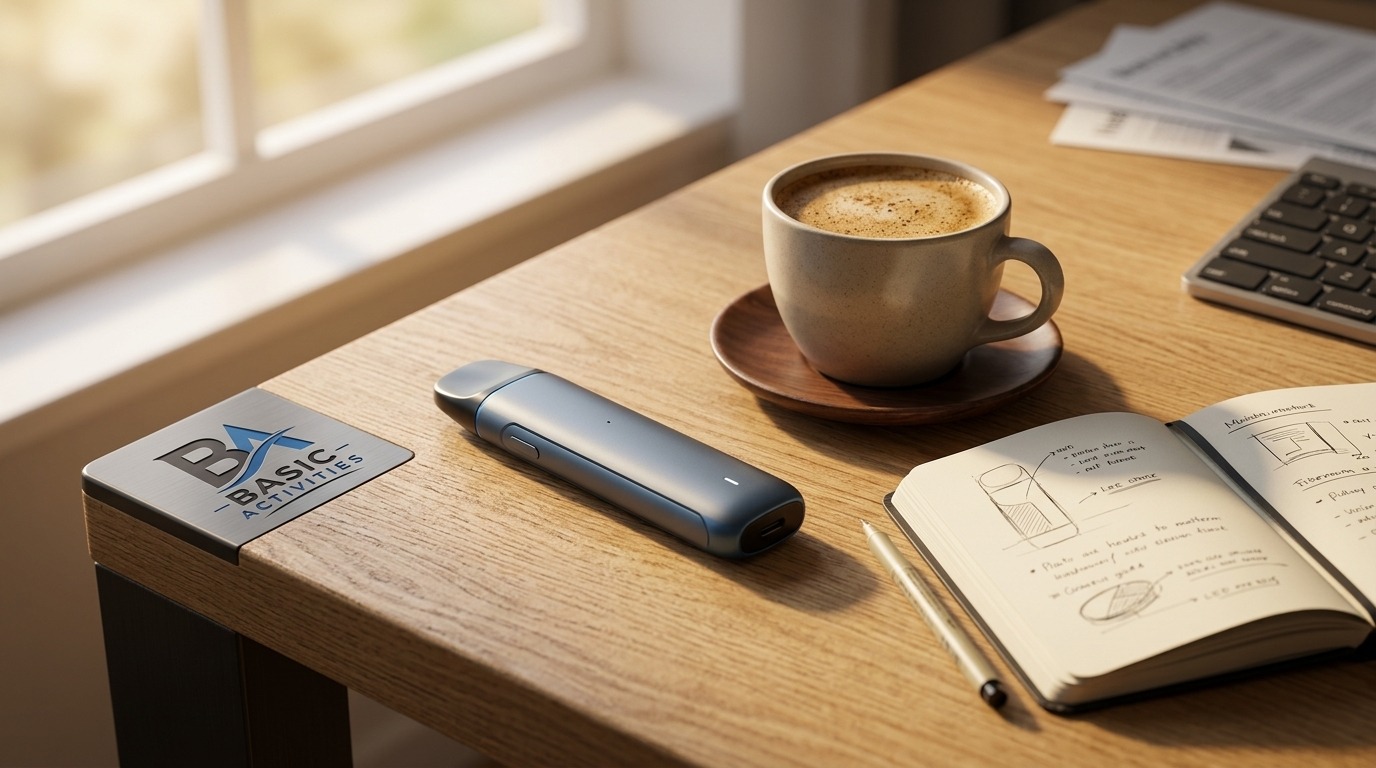
For adult smokers seeking alternatives to traditional combustible tobacco, modern electronic nicotine delivery systems offer varied formats. Among these, the term sync cigarettes is widely used by consumers to describe closed-pod vapor devices and compatible replacement pods (such as ALLO Sync and S-compatible pod systems) that synchronize pre-filled e-liquid cartridges with an intuitive, draw-activated battery.
Transitioning from conventional smoking requires clear, factual information rather than marketing hype. This guide breaks down what sync cigarettes are, how their internal mechanics function, device compatibility, maintenance best practices, and practical safety considerations.
What Are Sync Cigarettes? Demystifying the Term
In retail vape shops and consumer discussions, “sync cigarettes” generally refers to closed-pod electronic cigarettes designed around a synchronized, snap-in cartridge architecture. Unlike open-tank vape devices that require users to manually measure e-liquids and replace cotton coils, sync devices utilize factory-sealed pods that magnetically click into place.
These systems were engineered to minimize friction for adult smokers. Conventional smoking involves zero digital configuration: an individual lights a cigarette and draws. Sync systems mimic that simplicity:
- Pre-measured volumes: Pods typically hold 2.0 mL of pre-filled nicotine salt e-liquid.
- Sealed coils: Heating elements are embedded directly within each cartridge.
- Automatic draw sensors: Inhaling through the mouthpiece activates the internal heating element automatically without buttons or wattage adjustments.
How Closed-Pod Vapor Technology Functions
To appreciate why these devices behave the way they do, it helps to examine the underlying components that make up a standard sync system.
The Power Unit (Battery)
The base unit contains an integrated lithium-ion rechargeable battery, generally between 350 mAh and 500 mAh. Because modern mesh coils require modest wattage (often between 8W and 12W), a single battery charge typically powers a moderate user through an entire working day. Most units recharge via standard Type-C USB cables within 30 to 45 minutes.
The Cartridge and Wick Assembly
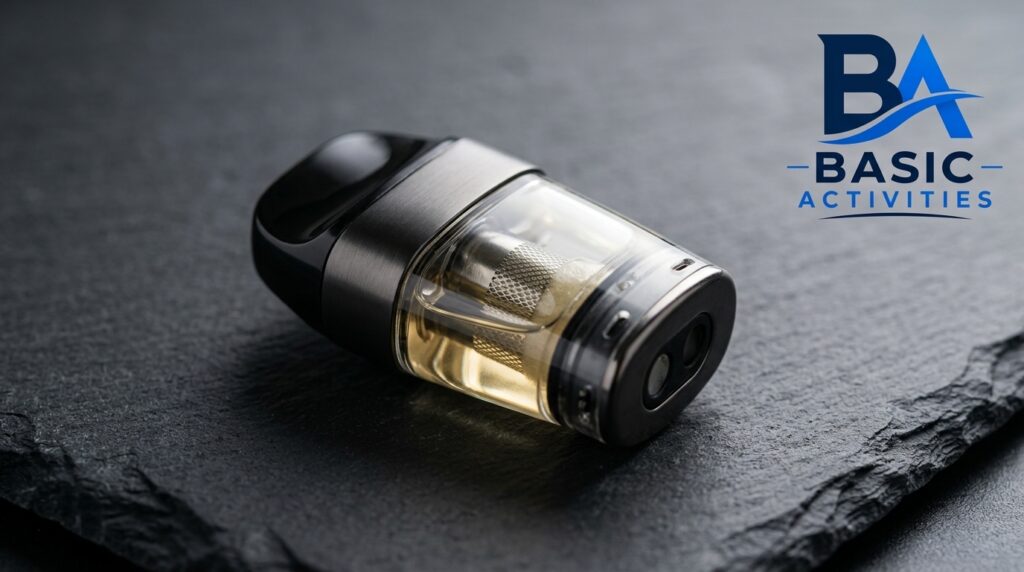
Inside the pod sits an e-liquid reservoir and an internal chimney housing the heating coil. Today, most high-quality pods employ mesh heating strips instead of traditional round wire coils. Mesh expands the surface area in contact with the liquid-saturated wick, ensuring even heating, consistent vapor temperature, and reduced risk of burning.
Nicotine Salts vs. Freebase Formulations
Sync pods almost universally use nicotine salts rather than standard freebase nicotine. Nicotine salts are chemically bound with benzoic or citric acid, which lowers the pH level of the solution. This allows for a smoother inhalation at higher nicotine strengths (commonly 20 mg/mL, meeting regulatory caps across Canada, the UK, and Europe) without causing the severe throat irritation characteristic of high-strength freebase liquid.
Device Ecosystems and S-Compatibility Explained
One defining attribute of the sync format is modular cross-compatibility, often labeled in the industry as “S-Compatibility.”
In earlier generations of closed pods, proprietary shapes forced consumers into rigid, single-brand ecosystems. If a manufacturer faced inventory shortages, consumers were left without cartridges for their devices. S-compatible sync pods resolved this headache:
| Feature | S-Compatible Sync Pods | Traditional Single-Brand Pods |
|---|---|---|
| Cross-Device Fit | Fits Sync, STLTH, and universal S-line batteries | Fits only specific branded battery |
| Connection Type | Standardized magnetic snap fit | Proprietary clip or latch |
| Leak Barrier | Freshness pull-tab & bottom silicone seal | Simple bottom rubber cap |
| Flavor Flexibility | Broad cross-brand catalog | Limited to in-house manufacturer recipes |
This cross-brand versatility ensures that adults using sync-style hardware are not trapped when a specific retail shop runs low on a favorite flavor or nicotine strength.
The Sensory Experience: Flavor Profiles and Draw Resistance
For someone moving away from combustible tobacco, the physical sensation of the draw is critical to preventing relapse. Closed-pod systems specifically engineer their airflow and vapor density to reproduce the tactile familiarity of smoking.
Tight Mouth-to-Lung (MTL) Airflow
Cigarettes provide natural resistance because air is pulled through tightly packed tobacco leaves and a dense cellulose filter. Sync cigarettes are calibrated with strict Mouth-to-Lung (MTL) airflow channels. Rather than inhaling large clouds straight into the lungs (Direct-to-Lung or DTL), the user draws vapor into the mouth first before inhaling—retaining the familiar rhythm of traditional smoking.
Tobacco Profiles vs. Clean Alternates
Former smokers frequently start with classic or rich tobacco profiles. High-grade sync tobacco blends emphasize earthy, slightly woody, and naturally warm nuances while avoiding combustion byproducts like ash and tar. Over time, many transitioning users gradually shift toward neutral mint, menthol, or subtle fruit blends as their olfactory and taste senses recover from years of smoke exposure.
Initial Setup: How to Avoid Burnt Pods and Dry Hits
The single most common complaint among newcomers to sync pod systems is encountering a dry or burnt hit immediately after opening a new box. This almost always results from skipping the critical “wicking period.”
To guarantee clean flavor and protect your cartridge from premature failure, follow these four steps:
- Unpack and Inspect: Remove the pod from its protective blister packaging.
- Break the Freshness Seal: Many sync pods feature a pull-tab seal designed to isolate the e-liquid from the cotton wick during shipping and warehouse storage. Pull this tab straight out firmly.
- Wait 90 to 120 Seconds (Crucial): After pulling the seal, allow the cartridge to rest upright on a flat surface for at least one to two minutes. This window lets the liquid saturate the dry cotton wick around the mesh coil.
- Take Gentle Primer Puffs: Before snapping the pod into the battery, take two gentle draws on the mouthpiece with your lips. Then insert the pod into the magnetized slot until it clicks, and begin drawing normally.
Cleaning and Battery Maintenance for Longevity
Although sync devices require minimal hands-on effort, routine hygiene keeps them functioning safely and prevents device failure.
Cleaning the Contact Pins
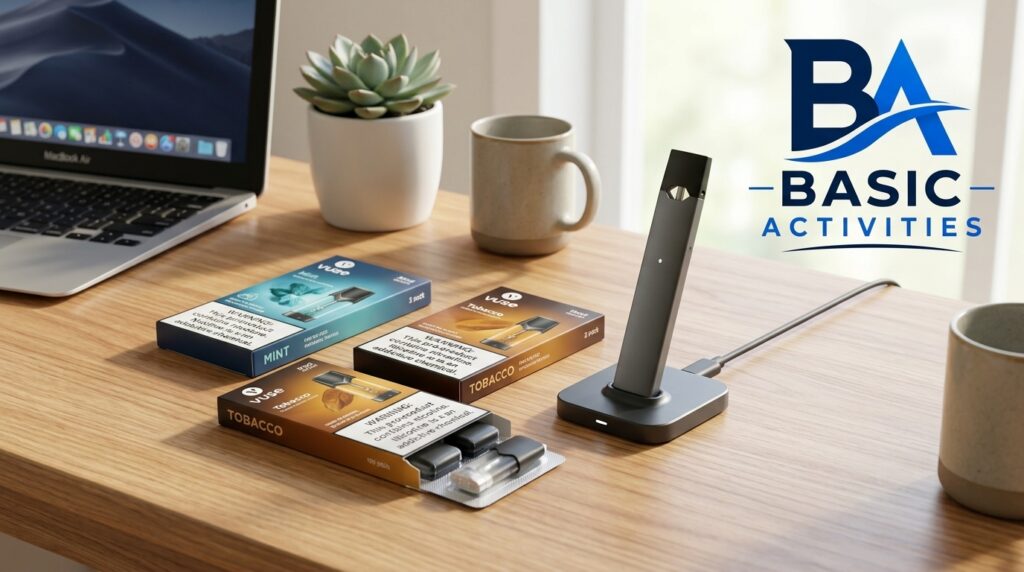
Over days of use, minor atmospheric condensation can gather inside the device recess where the pod meets the battery. If left uncleaned, this residue can interfere with the electrical contact pins or foul the internal pressure sensor.
- Remove the pod cartridge once every few days.
- Use a dry cotton swab or tissue to gently dab the brass contact pins inside the battery bay.
- Never use rubbing alcohol or wet cleaning solvents inside the battery compartment.
Battery Care and Safe Charging
To protect the internal cell:
- Charge the device using low-amperage wall adapters (5V/1A or standard computer USB ports) rather than high-wattage fast chargers meant for laptops.
- Do not leave the device plugged in overnight on soft surfaces like beds or carpets.
- Store the hardware away from direct sunlight, hot car dashboards, or extreme winter cold, as thermal swings degrade lithium batteries and cause liquid thinning that leads to leaks.
Practical Comparison: Sync Pods vs. Disposable Vapes
With the proliferation of single-use disposables in the market, consumers frequently weigh the pros and cons of modular sync systems against single-piece disposable bars.
Environmental Footprint
Disposable vapes discard an entire lithium battery, plastic housing, and circuit board every time the liquid runs dry. In contrast, sync systems reuse the same rechargeable battery hundreds of times over many months. Users only discard the small, inert plastic cartridge, significantly reducing electronic waste.
Cost Efficiency
While an individual disposable vape may appear economical upfront, frequent replacement adds up quickly. A multi-pack of replacement sync pods costs substantially less per milliliter of e-liquid than purchasing brand-new all-in-one hardware weekly.
Reliability and Performance Consistency
Disposables often experience declining vapor output as their non-regulated batteries drain. Regulated pod batteries maintain consistent voltage output from the first puff until the indicator LED alerts you to recharge.
Health, Regulation, and Harm Reduction Realities
Any objective discussion around sync cigarettes and vapor products must address health considerations transparently.
Electronic nicotine delivery systems do not involve the combustion of tobacco leaves, which means they do not produce tar, carbon monoxide, or thousands of toxic chemical compounds created by an open flame. Major public health bodies recognize that switching completely from smoked tobacco to regulated vapor products significantly reduces overall toxin exposure.
However, vapor products are not harmless:
- Nicotine Dependence: Nicotine is an addictive chemical compound that elevates heart rate and blood pressure temporarily.
- Intended Audience: These systems are intended strictly for existing adult smokers seeking a smoke-free alternative. Non-smokers, youth, and pregnant individuals should never use any nicotine product.
- Complete Switching is Key: Dual use—continuing to smoke combustible cigarettes while intermittently vaping—dilutes the harm-reduction benefits. To experience meaningful cardiovascular and respiratory improvements, the goal must be complete cessation of combustible cigarettes.
Troubleshooting Common Issues
If your device behaves unexpectedly, consult these straightforward remedies before replacing components:
The Device Isn’t Producing Vapor
- Check the battery charge: Connect the device to a Type-C cable. An indicator light will show charging status.
- Inspect the seal: Ensure you pulled the clear plastic or silicone freshness tab completely out of the pod before insertion.
- Clear debris: Remove the pod and check whether pocket lint is obstructing the base air intake holes.
Liquid Gurgling or Spitting
- Gurgling occurs when excess liquid floods the central chimney.
- Detach the pod, wrap a clean tissue loosely around the mouthpiece, and perform one sharp downward flick (like shaking a thermometer). This expels pooled liquid from the air path without damaging the wick.
Summary and Next Steps
Sync cigarettes and modular closed-pod setups represent a balanced middle ground in the nicotine alternatives market. They combine the pocketable convenience and tight draw of disposable bars with the reliability, cross-compatibility, and reduced environmental impact of dedicated rechargeable hardware.
If you are an adult smoker exploring alternatives, focus on proper setup—remembering to let new pods saturate thoroughly—and select tobacco or mint profiles that help you transition comfortably away from combustible smoke.
Frequently Asked Questions (FAQs)
What makes sync pods “S-compatible”?
“S-compatible” indicates that the pod shares the standardized physical dimensions, magnetic latch points, and airflow alignment required to fit seamlessly into multiple popular closed-pod battery lines, rather than being locked to one exclusive brand.
How long does a single 2.0 mL sync pod typically last?
For a moderate user taking approximately 150 to 200 puffs per day, a 2.0 mL pod typically lasts between one and two days. Heavy users may go through a cartridge in a single day, while light or occasional users may find one lasts three to four days.
Can you refill sync cigarettes with your own bottled e-liquid?
No. Sync cartridges are closed, factory-sealed systems designed to prevent tampering and leakage. Attempting to pry open the pod casing will damage the internal plastic clips, ruin the pressure vacuum, and likely result in severe leakage into your battery terminal.
What should I do if my pod tastes burnt on the very first puff?
If a pod tastes dry or burnt immediately, the wick was not fully saturated before heating. Always remove the freshness pull-tab and wait at least 90 to 120 seconds before taking your first puff. If the coil was already fired while dry, the cotton wick may be permanently singed, requiring a new cartridge.